
Designing with Intention

Recently, I was tasked with designing a feature that would enhance user engagement while keeping users interested and invested in a digital product.
In this article, I will share my thought process on how I went about it. I hope this will be valuable for anyone facing a similar challenge or inspire you to explore more about psychology and engagement in digital products and services.
To be honest, the process started with a finished solution suggested by the stakeholder. However, I challenged myself to approach the design process in reverse, working backward. Here's how I did it:
Clarify the purpose
Before diving into the design process, I asked questions to understand the purpose behind it. This also served as a framework for my approach to challenges.
Why is starting with questions important? Depending on your role, you may or may not have the authority to decide which features to design. However, as designers, I believe it is our responsibility to ensure that with each new improvement or feature, we understand the benefits of implementing it for the users and for the business.
Here are some guiding questions:
Value
What value are we providing to the people and to the company by building this feature?
Impact
Engagement: new vs returning users and increase in conversion rate and growth (user acquisition)
User satisfaction: how will your design provide a positive experience and solve users' pain points?
How will success be measured? What KPIs are we tracking and hoping to impact?
What is the user goal with this feature?
What are the constraints? In my case, when I was designing the new feature, I had a chat with the developer to align on what is a feasible and efficient design solution. By doing so, you ensure that you don’t waste time on unnecessary design.
How does this new feature interact with the existing flows and features?
What is the difference between value and impact?
If you're like me, you may be confused about how to orient yourself with these terms and what the difference is.
Value refers to how the features and overall functionality of what you're designing help a user accomplish a task more efficiently. Impact, on the other hand, refers to how the product affects the user and broader society. For example, the product may help improve the quality of life, reduce environmental impact, or encourage a sustainable behaviour.
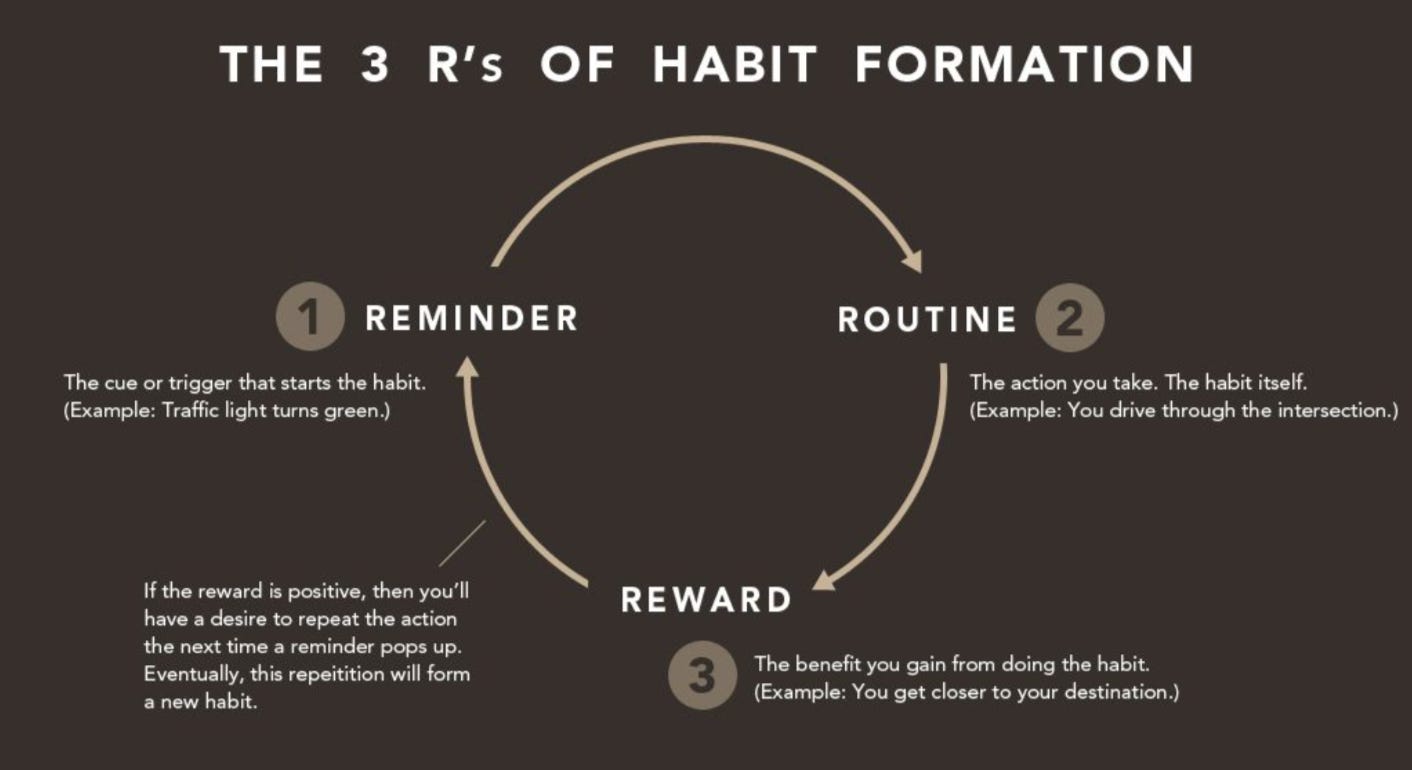
A framework for identifying the habit you want your product to improve, form or enhance
The relationship between psychology and design is a subject that really excites me, and I always aim to inform my design decisions by referring to psychology and human behaviour. To quote my favourite resource, 'user experience doesn’t happen on a screen… it happens in the mind.'
Now, let's return to my task: how to think about engagement elements in a digital product? Firstly, I asked myself what are some examples of engagement elements in a product? What comes to mind is gamification, personalisation, social features, storytelling, progress indicators and badges.
To address my problem, I decided to focus on gamification, which involves incorporating game elements into a product. Perhaps you have already experienced the motivation of not wanting to miss a daily goal in language learning, as seen in Duolingo, or you may be familiar with the Apple Watch's circle and feel motivated to complete each circle every day. These are just two examples of how game elements are integrated into products.
As I was reading more on the subject, I happened to discover the Hook model that was introduced by Nir Eyal. Basically, the Hook Model is a framework for creating user engagement and habit-forming products that consist of four steps. I have tried this framework for the startup that I am part of, and I noticed that it can be beneficial when thinking about what habit you want to encourage, form, or enhance with your product. I will try and summarise it as I understand it:
1. Triggers: What is the internal trigger that motivates people to use your product, and how can you uncover it?
Internal triggers (e.g., feelings of boredom, happiness, motivation, sadness)
External triggers (e.g., notifications, ads, emails, sounds)
Learn about people's internal motivation for using your product. Additionally, map out the user journey from the moment they first encounter your product or service to the moment they complete a task or goal. Identify the touch points where users may experience certain emotions or thoughts and look for ways to design your product or service to address these triggers.
External triggers may only work for a short-term period, as internal triggers are what will make people return to your product.
2. Action: What is the action that will satisfy my trigger?
It could be clicking on a link, scrolling through a feed, or typing in a search query. To ensure the action happens, make the product clear and intuitive. Journey mapping and task flow can help reduce unnecessary steps.
A note on Action: Ensure that your product is easy to use. If your product is difficult to use, people will quickly give up and move on to something else. Make sure all buttons and icons are easy to understand and that your interface is user-friendly.
3. Variable reward : What is the positive benefit that I get from my action?
Nir Eyal categories rewards into 3 categories:
Social - recognition or approval from others
Tangible - points, prizes, exclusivity, VIP Psychological
Sense of accomplishment or satisfaction
4. Investment or building a personal connection with the product
The investment is the effort that people put into the product. It could be uploading a photo, adding a friend, sending a referral, providing important information or customise settings. The investment deepens people’s connection to the product, making it more likely that they will use it again in the future and could also prevent them from switching to another product if they are already invested.
As I understand it, for the hook framework to be successful, there needs to be a loop where people are triggered to take an action, and then the reward needs to be unpredictable. A user will not get the same reward every time they perform an action. Two references that come to my mind are the feeds on Instagram and TikTok - the content is never the same.
Oku - the companion app for every book - or my favourite example of internal trigger and reward
Oku is a social network for book lovers that I've been using instead of Goodreads, one of its competitors. I'm a big fan of Oku and often recommend it to my friends. I love the clean and simple interface, as well as the ability to have a say in upcoming features and contribute to the number of books available.
As an exercise, I want to see how the four steps of the Hook Framework might apply to Oku. Please note that I'm not suggesting that Oku's intention is to hook me into using their platform, nor am I suggesting that they have intentionally used the hook model. Let’s go!
What is my internal trigger / motivation?
My Internal Trigger: Just finished a book and want to mark the event
My Motivation: I want to add it into my yearly reading goal
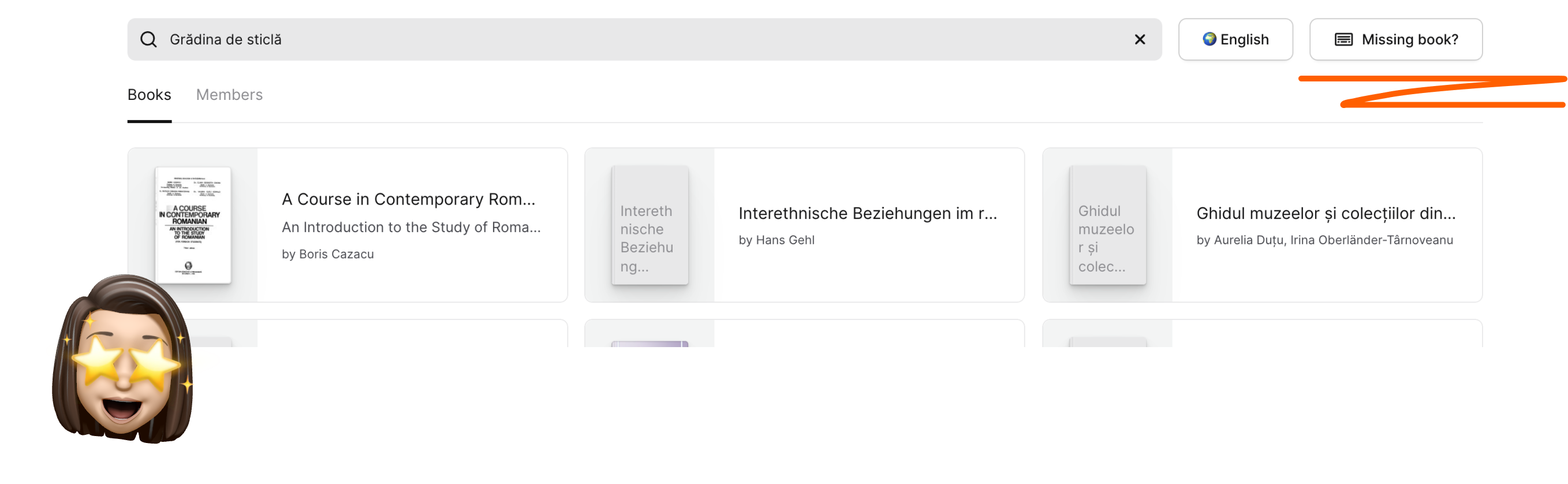
As I am searching for the book, I can’t seem to find it, no problem as Oku has this amazing CTA (call to action) which is the “Missing Book?” button. I’m curious and I'll give it a try.
What is the action that will satisfy my trigger?
Oku makes it very easy to upload and fill in all the necessary details, buttons and icons are easy to understand with a clean and clear user interface which is vital for allowing me to frictionlessly do the action.
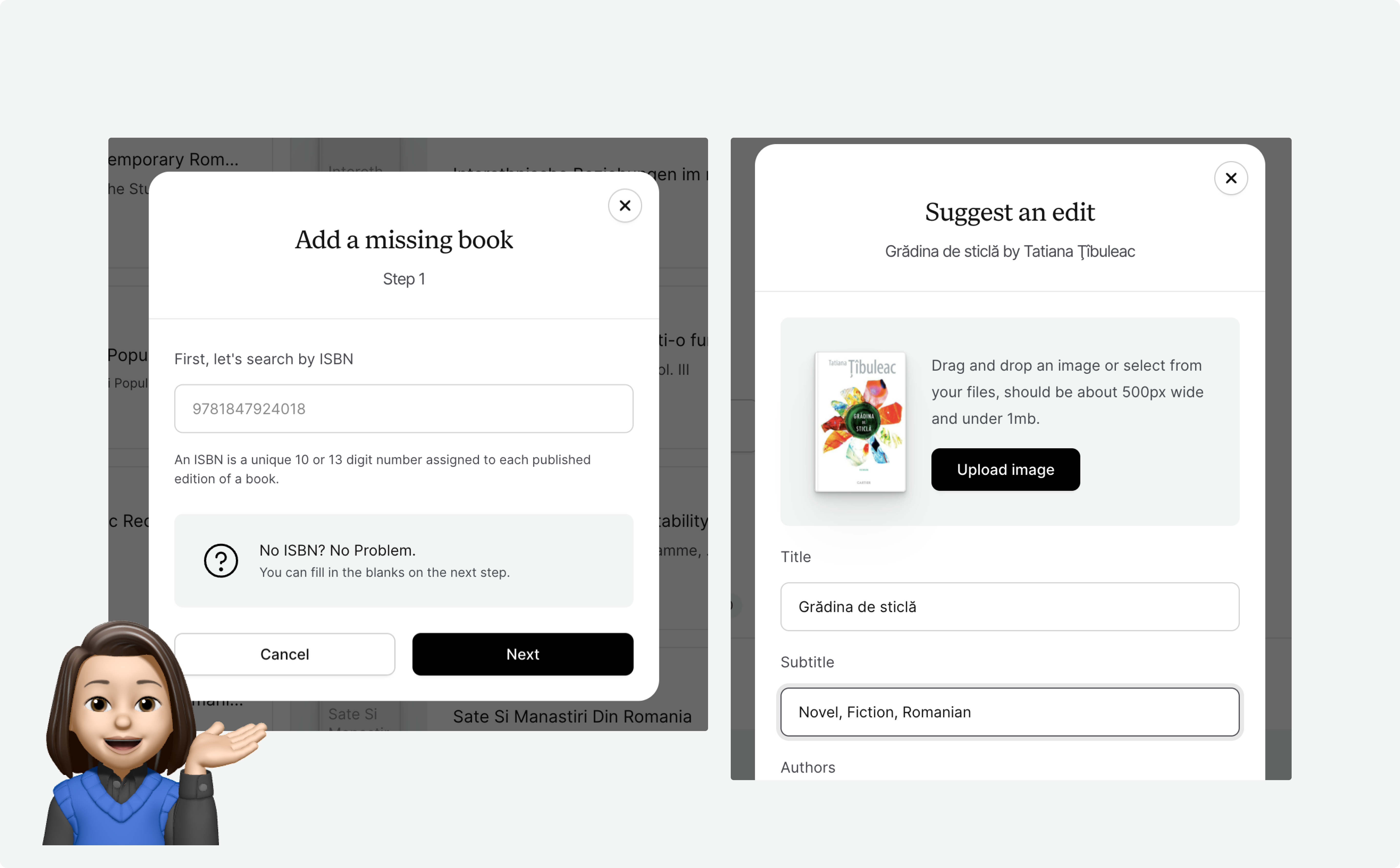
As I fill in all the necessary info to register the book, here is what goes through my mind: As an avid reader and book lover, I love that I can contribute to the growing number of books available on Oku through the CTA (call to action) Missing book. I have encountered a couple of books that aren't available yet, and I am very excited that I can contribute and, in the long run, make an impact while feeling like a librarian.
Rewards
Returning to Nir Eyal’s 3 categories of rewards, I see two types of rewards for users like myself, who don’t have the premium version:
Inner motivation or a sense of accomplishment
Personally, the reward that I get from my action is a psychological one, I feel a sense of accomplishment as I press the “Submit book" button. This inner reward gives users like myself a psychological boost and a sense of accomplishment.
Social, recognition or approval from others
On a lower scale, there is also the opportunity for others to see my contributions, which might motivate me to upload more books and feel that I am part of a community.
What does my investment in Oku entail?
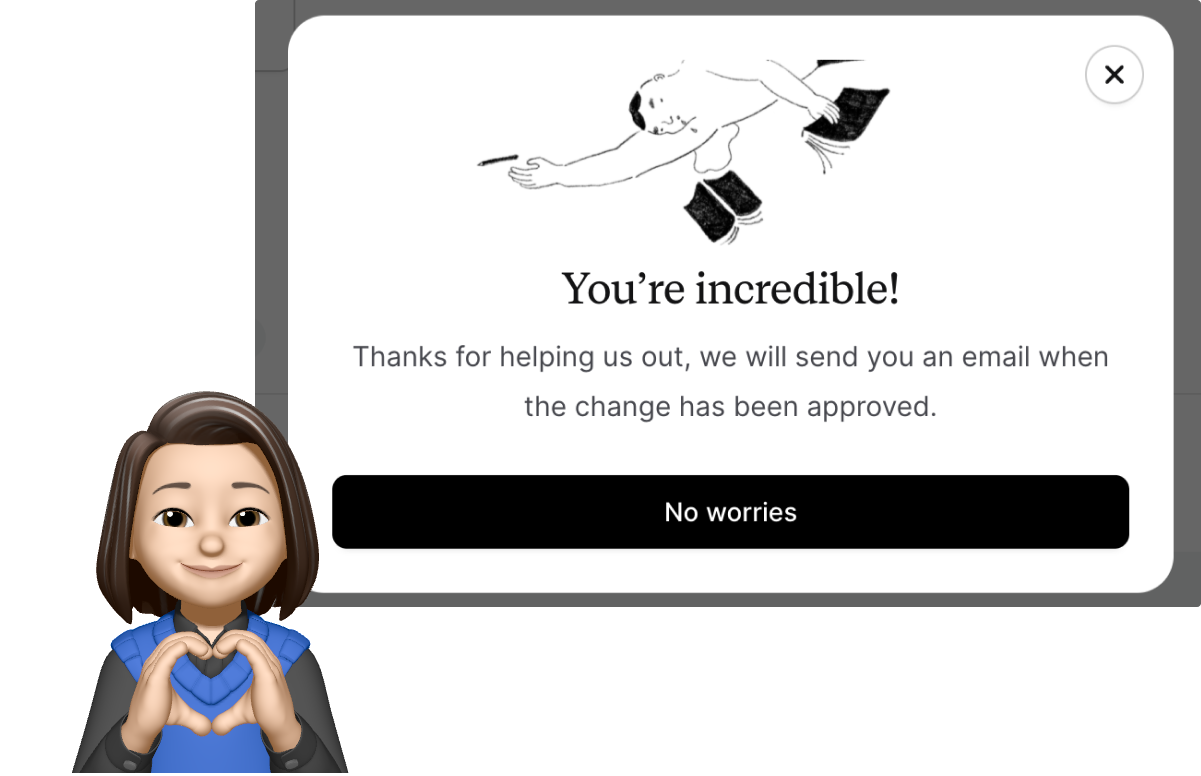
Let's look at the steps for submitting a new book:
To upload and submit a book, it does take me some time. I need to search for the picture, download it and upload it into Oku, copy and paste the book description / a lot of back and forth. By going through this process I am already investing my time in the product and it makes me feel that I am part of its growth.
How can Oku improve my experience?
For the premium version, as a user, you get access to your personal stats, set yearly reading goals, and other gems. But as a secondary user, like myself, who is already contributing, even on a smaller scale, it would be nice to have a visual confirmation of my investment in Oku. For instance, on my dashboard, I could have a stats page with all the books I've submitted and how I've helped Oku grow. To boost my engagement with submitting books, I could also see how many books other users are submitting and where I rank compared to them, adding a gaming-like experience.
How can design and psychology exist in a progress bar?
When I was considering how to approach designing a progress bar, I needed to first understand our primary users' motivations for this feature. Using insights from previous research that helped us, my team and I, understand our users' motivations and inner triggers for using our product, we then came up with three assumptions. Although these assumptions were based on data from previous research, we decided to validate them with our primary users before beginning the design process.
To uncover what motivates your users, you can use a variety of research methods, from quantitative to qualitative. However, as the main aim is to discover the motivations and goals, I will suggest conducting one-on-one interviews.
When designing the UI of the progress bar I consider the following psychological principles:
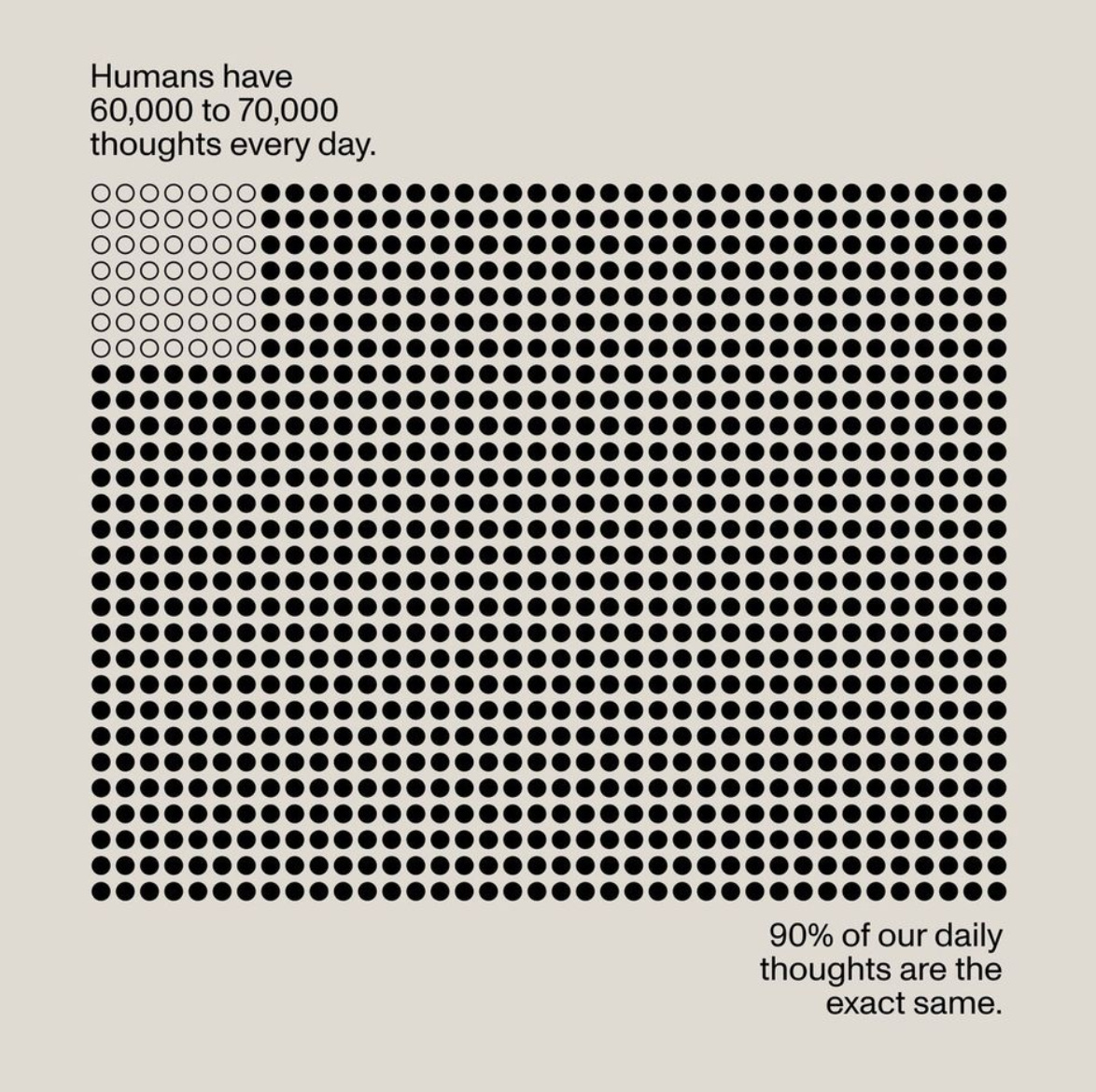
Goal gradient effect: ”Having users complete smaller tasks with incremental rewards is more motivating than having no visual clue or rewards achieving the end. Short-term rewards motivate us more compared to long-term, future ones. That's why it's crucial that your experience provides a clear indication of progress.”
Metaphors: Metaphors in a progress bar can help users understand complex information into a simple and fun way. For example “using a metaphor of a filling glass or a growing plant can help users to visualise their progress towards a goal, making the experience more engaging and motivating.”
With a progress bar, are we encouraging bad behaviour? And if yes, how can we prevent it?
When designing the progress bar, I also considered its potential downsides and wondered how to prevent negative emotions and unethical behaviour. Specifically, I questioned whether the progress bar would encourage bad behaviour and, if so, how to address this issue.
To prevent users from engaging in unethical behaviour and encourage good habits, it's important to ensure that the progress bar is:
Transparent: Clearly communicate what the bar represents, what it is measuring, and how it works.
Accurate: Track progress in real-time to avoid creating a false sense of accomplishment.
Provide clear feedback to users when a process is complete or if there is an error.
Accessible: Use high contrast colours and consider accessibility guidelines to make it easier for all users to see and interact with the progress bar.
Conclusion
Always start your design process by asking why, try and get a deeper understanding of why you’re designing in the first place.
The Hook framework can be a powerful tool for identifying how your product or service can positively motivate people into habit formation. Use it mindfully and iterate on your triggers, actions, rewards, and investment loops so that the experience you design aligns with users' internal motivation without being addictive.
Don’t forget to reflect on “We all have a responsibility to build ethically-designed products and services to improve people’s lives.” Nir Eyal, author of Hooked
Check out my top recommended resource on the intersection of psychology and design: https://growth.design/
And stay curious and humble and let’s cross paths!
b